
Most people don’t think about their tailbone – until it starts hurting. That small bone at the base of your spine plays a bigger role in daily movement than you might expect. Sitting, leaning back, getting up from a chair, or even driving can suddenly become uncomfortable when tailbone pain appears. This condition, often called coccydynia, can feel minor at first but quickly interfere with routine life.
Tailbone pain may develop after a fall, long hours of sitting on hard surfaces, pregnancy, poor posture, or underlying spinal imbalance. In many cases, the discomfort is not only from the tailbone itself but also from tight hip muscles, pelvic floor tension, and lower back strain. That’s why gentle movement and targeted stretching can make a noticeable difference.
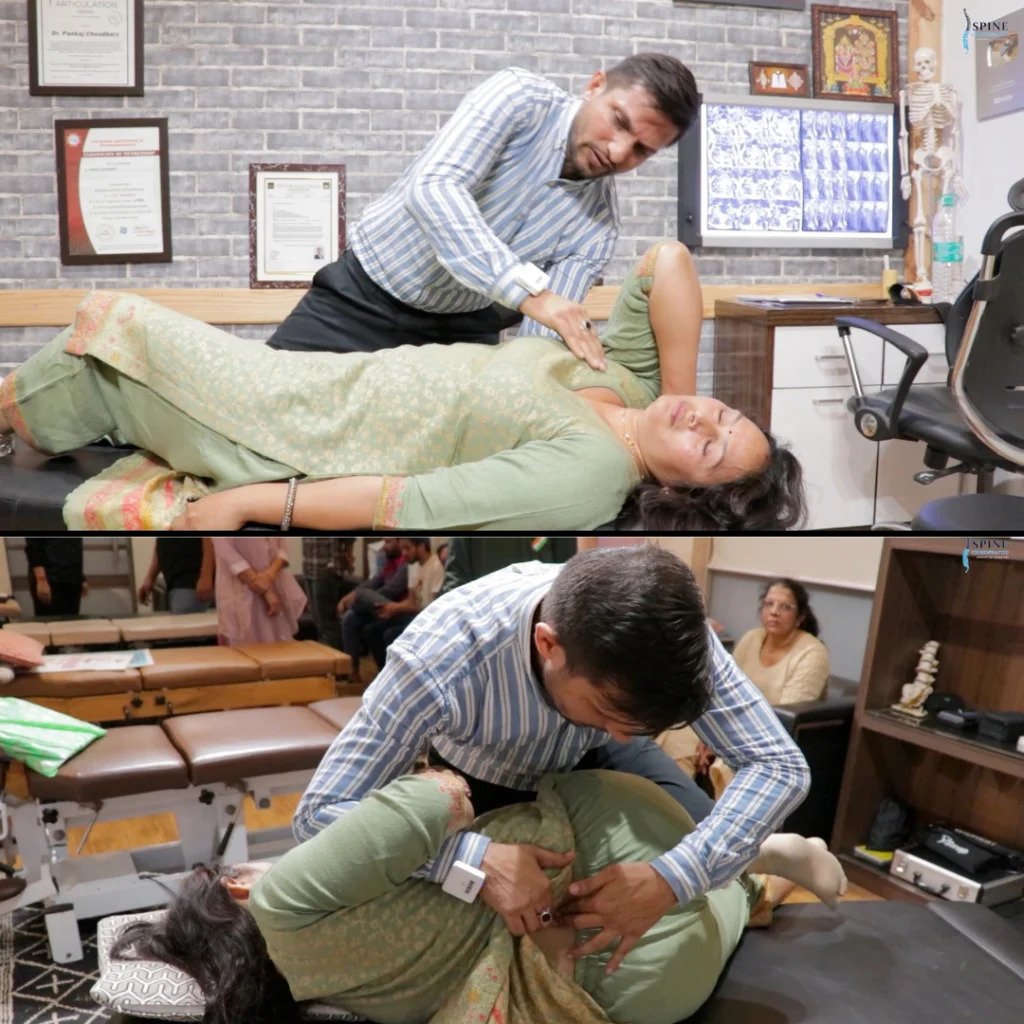
Alongside professional care such as tailbone pain treatment in Jaipur or consultation with a chiropractor in Jaipur, simple home exercises can help reduce stiffness, improve mobility, and support faster recovery.
Let’s explore easy and effective exercises that may bring real relief.
Why Exercise Helps Tailbone Pain
When tailbone pain develops, surrounding muscles often tighten to “protect” the area. Unfortunately, this tightness can pull on the coccyx, worsening discomfort. Muscles like the piriformis, iliopsoas, gluteals, and pelvic floor are commonly involved. Stretching them gently improves blood flow, reduces tension, and restores balanced movement in the pelvis and lower back.
Regular stretching also helps with related issues such as lower back pain, hip stiffness, and joint discomfort – common LSI-related conditions connected with tailbone problems.
The key is to stay within a pain-free range and progress gradually.
Easy Exercises for Tailbone Pain Relief
1. Single-Leg Knee Hug
This stretch relaxes the piriformis and hip flexor muscles, which often tighten with prolonged sitting.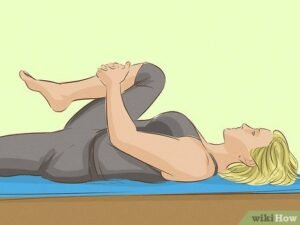
- Lie on your back.
- Bend one knee toward your chest while keeping the other leg extended.
- Hold the bent knee and gently draw it closer.
- Breathe normally and hold for a few seconds.
- Switch sides.
This simple movement reduces pelvic tension and eases pressure near the tailbone.
2. Pigeon Pose
A gentle hip opener that stretches gluteal and iliopsoas muscles.
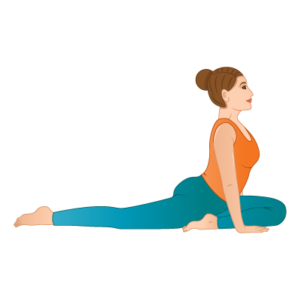
- Start on all fours.
- Bring one knee forward and extend the opposite leg behind.
- Keep your torso upright or slowly lean forward.
- Hold comfortably, then change sides.
This pose is especially helpful if tailbone pain is linked with hip tightness or back pain.
3. Child’s Pose
A relaxing stretch that lengthens the lower back and pelvic floor.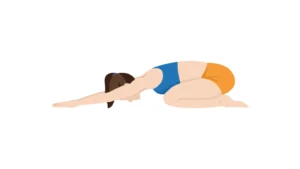
- Kneel on a mat and sit back on your heels.
- Extend your arms forward and lower your torso.
- Rest your forehead down if comfortable.
- Hold and breathe deeply.
This position calms muscle tension and improves circulation around the spine.
4. Kneel and Twist
This exercise improves lower back mobility and releases hip stiffness.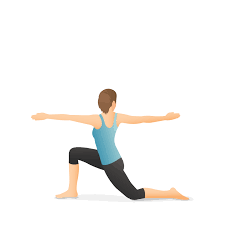
- Step one leg forward into a gentle lunge.
- Place the opposite knee on the floor.
- Keep your torso upright and slowly rotate toward the front leg.
- Return to center and repeat on the other side.
Controlled twisting helps restore spinal flexibility without stressing the tailbone.
5. Piriformis Stretch
Tight piriformis muscles can irritate nearby nerves and contribute to coccyx discomfort.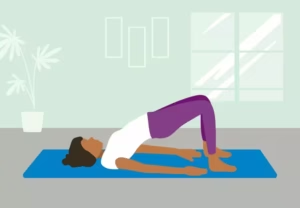
- Lie on your back with knees bent.
- Place one ankle over the opposite knee.
- Gently pull the supporting thigh toward your chest.
- Hold, breathe, and switch sides.
This stretch is excellent for people who experience both tailbone pain and sciatica-like symptoms.
6. Cobra Pose
A gentle back extension that opens the spine and reduces stiffness.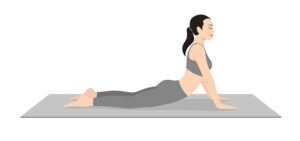
- Lie face down with palms under your shoulders.
- Slowly lift your chest while keeping hips relaxed.
- Hold briefly and lower down.
Cobra pose helps counter long sitting hours and supports better spinal alignment.
When Exercises Aren’t Enough
While these exercises help many people, persistent or severe tailbone pain should not be ignored. If pain continues for weeks, worsens with sitting, or affects daily function, professional evaluation is important. Underlying spinal misalignment, pelvic imbalance, or joint dysfunction may require expert care.
This is where structured chiropractic care and rehabilitation become valuable. Personalized treatment plans, posture correction, and targeted adjustments can address the root cause – not just the symptoms.
Many patients combine home exercises with guided care such as tailbone pain treatment in Jaipur to experience faster and longer-lasting relief.
Supporting Habits That Help Recovery
Small lifestyle changes can reinforce your progress:
- Use a cushioned seat while sitting
- Avoid slouching or leaning back for long hours
- Take short walking breaks during desk work
- Maintain healthy hip and core strength
- Stay consistent with stretches
These simple steps help prevent flare-ups and support joint and back health.
Final Thoughts
Tailbone pain can feel surprisingly disruptive, but it doesn’t have to control your life. Gentle, consistent exercises help relax tight muscles, restore mobility, and reduce daily discomfort. Combined with proper posture and, when needed, expert guidance from a chiropractor in Jaipur, recovery becomes far more achievable.
Start slowly, stay consistent, and listen to your body. Relief often comes not from one big change – but from small, steady steps in the right direction.
FAQs – Tailbone Pain Relief Exercises
1. How long should I do these tailbone pain relief exercises each day?
For most people, 10–15 minutes of gentle stretching daily is enough to reduce stiffness and improve mobility. Always stay within a pain-free range and gradually increase your range of motion. Combining these exercises with tailbone pain treatment in Jaipur can enhance results.
2. Can these exercises help with lower back or hip pain?
Yes. Many stretches for tailbone pain, like the pigeon pose and kneel-and-twist, also target muscles in the lower back, hips, and glutes. This can relieve joint stiffness and prevent further discomfort.
3. When should I see a chiropractor in Jaipur for tailbone pain?
If pain persists for more than 2–3 weeks, worsens with sitting or movement, or affects daily activities, consult a chiropractor in Jaipur. Professional assessment ensures the root cause is addressed and reduces the risk of chronic pain.
4. Are these exercises safe for everyone?
These stretches are generally safe for most adults, but people with knee, hip, or spine injuries should consult a healthcare professional before starting. Always avoid overstretching and listen to your body.
5. How soon will I feel relief from tailbone pain?
Some people notice improvement within a few days, while others may take several weeks. Consistency, proper technique, and complementary care like tailbone pain treatment in Jaipur can accelerate recovery and provide long-lasting relief.