
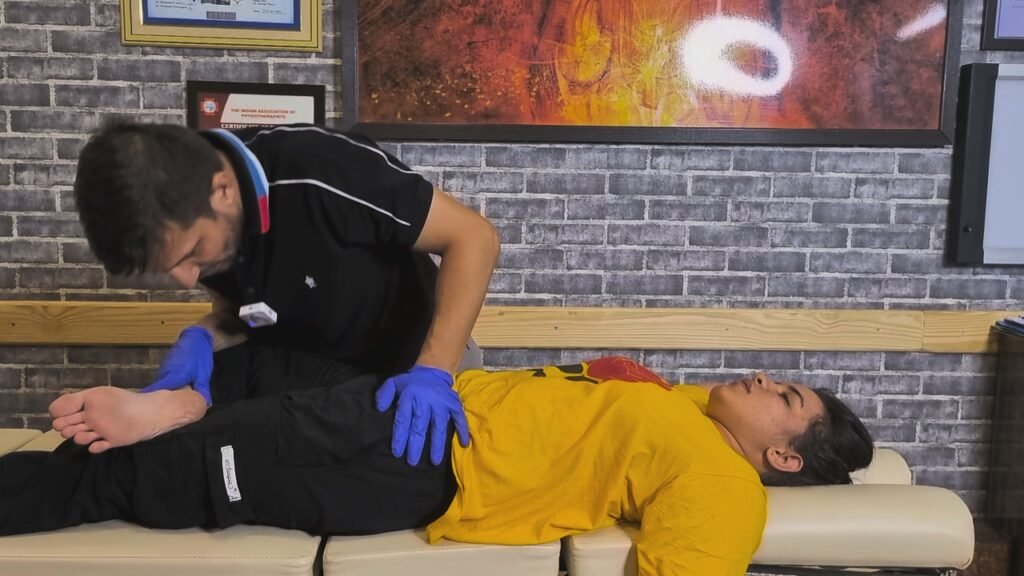
Knee pain is one of the most common joint problems affecting people of all age groups. From athletes and working professionals to elderly individuals, knee joint pain can make daily activities like walking, climbing stairs, sitting, or standing extremely difficult. In many cases, joint problems like knee pain may also be linked with musculoskeletal conditions such as neck pain, posture-related spinal issues, or nerve compression disorders like a herniated disc, which can affect overall body alignment and movement patterns.
Some people experience mild discomfort that comes and goes, while others suffer from chronic knee pain that gradually worsens over time. The positive aspect is that most knee pain cases can be managed successfully with early diagnosis, proper treatment, and lifestyle modifications. Understanding the root cause of knee pain, along with related conditions such as spinal imbalance or disc problems, plays a crucial role in choosing the right treatment approach. Consulting an experienced chiropractor in Bangalore or a qualified musculoskeletal specialist can help identify alignment issues, improve joint function, and support long-term pain relief through non-surgical treatment methods.
What Is Knee Pain?
Knee pain refers to discomfort, stiffness, swelling, or inflammation in or around the knee joint. The knee is the largest and one of the most important weight-bearing joints in the body. It connects the thigh bone to the shin bone and supports body weight during movement.
Because the knee experiences constant pressure during walking, running, bending, and climbing stairs, it is more vulnerable to injuries, overuse problems, and degenerative conditions. Knee pain can be temporary due to minor injuries or long-term due to underlying medical conditions like arthritis or cartilage damage.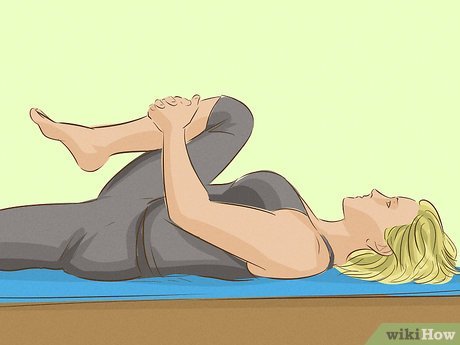
Common Symptoms of Knee Pain
Knee pain symptoms vary depending on the underlying cause and severity of the condition. Some of the most commonly experienced symptoms include:
Pain During Movement
- Pain while walking or running
- Difficulty climbing or descending stairs
- Discomfort while bending or squatting
- Pain during exercise or physical activity
Pain During Rest
- Knee pain while sitting or standing
- Night-time knee pain
- Morning stiffness in the knee joint
Associated Symptoms
- Swelling around the knee
- Joint stiffness and reduced flexibility
- Clicking or cracking sounds during movement
- Knee instability or locking sensation
- Weakness around the knee joint
Recognizing these symptoms early helps in preventing further joint damage.
Where Does Knee Pain Occur?
The location of knee pain often gives important clues about its cause.
- Front of the Knee – Pain in the front area is commonly associated with patellar problems, runner’s knee, or bursitis.
- Back of the Knee – Pain behind the knee may occur due to ligament injuries, swelling, muscle tightness, or cyst formation.
- Inner Side of the Knee – Pain on the inner side is frequently linked to arthritis or ligament injuries.
- Outer Side of the Knee – Ligament injuries, cartilage damage, or repetitive strain injuries usually cause outer knee pain.
What Causes Knee Pain?
Knee pain can result from multiple factors, including injuries, medical conditions, and lifestyle habits.
Injury-Related Causes
- Ligament tears such as ACL or PCL injuries
- Meniscus tears
- Knee injuries from falls or accidents
- Sports-related trauma
Degenerative & Medical Causes
- Osteoarthritis
- Rheumatoid arthritis
- Cartilage wear and tear
- Age-related joint degeneration
Lifestyle & Overuse Causes
- Obesity and excess body weight
- Repetitive strain from running or jumping
- Poor posture
- Improper footwear
- Excessive physical workload
Knee Pain in Different Age Groups
Knee pain can affect individuals differently depending on age and lifestyle.
- Knee Pain in Elderly Individuals – Mostly caused by osteoarthritis, cartilage degeneration, and joint stiffness.
- Knee Pain in Young Adults – Commonly linked to sports injuries, ligament tears, or overuse.
- Knee Pain in Athletes – Often caused by repetitive stress, muscle imbalance, and ligament injuries.
- Knee Pain in Overweight Individuals – Excess body weight increases pressure on the knee joint, accelerating joint damage.
Common Knee Conditions Linked to Knee Pain
Several medical conditions are known to cause knee pain, including:
- Osteoarthritis
- Rheumatoid arthritis
- Patellofemoral pain syndrome
- Patellar tendonitis
- Knee bursitis
- Tendon inflammation
- Chondromalacia patella
- Meniscus injury
- Ligament tears
How Is Knee Pain Diagnosed?
Diagnosing knee pain involves a detailed evaluation to identify the exact cause. Healthcare providers usually follow these diagnostic steps:
Physical Examination
The doctor checks swelling, tenderness, range of motion, and joint stability.
Medical History Assessment
Understanding symptoms, past injuries, and lifestyle habits helps determine possible causes.
Imaging Tests
- X-rays help detect bone alignment and arthritis.
- MRI scans help identify ligament, cartilage, and meniscus damage.
Early diagnosis often helps avoid surgical intervention.
Knee Pain Treatment Options
Treatment depends on factors like severity, cause, age, and activity level.
- Non-Surgical Treatment Options – Non-surgical treatments are usually the first line of management.
- Medications – Pain-relief medications and anti-inflammatory drugs help reduce swelling and discomfort.
- Physiotherapy – Physiotherapy helps strengthen thigh and leg muscles, improves flexibility, and reduces pressure on the knee joint.
- Knee Braces & Supports – Braces help stabilize the knee and improve joint alignment.
- Lifestyle Modifications – Activity modification, weight management, and ergonomic changes help reduce joint stress.
Home Remedies for Knee Pain Relief
Several home-based methods can help manage mild to moderate knee pain.
- Hot and cold compress therapy
- Gentle oil massage
- Adequate rest
- Maintaining healthy body weight
- Wearing supportive footwear
- Avoiding excessive strain on knees
Exercises for Knee Pain
Exercise plays a major role in improving knee strength and flexibility. Low-impact exercises are generally recommended.
- Quadriceps strengthening exercises
- Hamstring stretching
- Straight leg raises
- Swimming and walking
- Cycling at moderate intensity
High-impact activities like jumping or running should be avoided if pain worsens.
Advanced Knee Pain Treatments
If conservative treatments fail, advanced treatment methods may be considered.
Injection-Based Treatments
- Lubrication injections for arthritis
- Platelet-Rich Plasma (PRP) therapy
Surgical Treatment Options
- Knee arthroscopy
- Partial knee replacement
- Total knee replacement
- Robotic knee replacement
Surgery is usually recommended only when all other treatments do not provide relief.
When Should You See a Doctor for Knee Pain?
Medical consultation is recommended if:
- Knee pain lasts for more than a few weeks
- Swelling or redness is severe
- Knee pain worsens gradually
- Difficulty walking or standing occurs
- Knee feels unstable or locked
Early medical care prevents further joint damage and improves recovery outcomes.
Which Doctor Treats Knee Pain?
Knee pain is usually treated by:
- Orthopedic specialists
- Knee joint specialists
- Sports injury doctors
- Physiotherapists
Choosing an experienced specialist improves treatment results and long-term relief.
Prevention Tips for Knee Pain
Preventive measures help reduce the risk of knee injuries and joint degeneration.
- Maintain healthy body weight
- Strengthen leg muscles regularly
- Warm up before exercise
- Avoid repetitive strain on knees
- Wear proper footwear
- Maintain correct posture during activities
Key Facts About Knee Pain
- Most knee pain cases do not require surgery
- Early treatment helps prevent joint damage
- Weight loss significantly reduces knee stress
- Physiotherapy plays a vital role in recovery
- Knee replacement is considered only as a last resort
Conclusion
Knee pain can significantly affect mobility, independence, and overall quality of life. However, with early diagnosis, appropriate treatment, and proper lifestyle changes, most people can effectively manage knee pain and continue their normal daily activities.
Ignoring knee pain can lead to worsening joint damage and long-term complications. Seeking timely medical attention and following a structured treatment plan helps ensure faster recovery and better joint health. Patients looking for advanced, non-surgical care can benefit from chiropractic treatment in Jaipur, which focuses on improving joint alignment, reducing inflammation, and restoring natural movement.
Dr. Pankaj Choudhary, a well-known specialist in spine and joint care, provides expert chiropractic treatment for knee pain in Jaipur using safe, evidence-based techniques. His approach focuses on identifying the root cause of joint discomfort and providing personalized treatment to help patients achieve long-term pain relief and improved mobility.
Frequently Asked Questions (FAQs)
Why does knee pain occur while walking?
Knee pain during walking is commonly caused by arthritis, ligament strain, or cartilage damage.
What is the most common cause of knee pain?
Osteoarthritis is the most common cause, especially in middle-aged and elderly individuals.
Can knee pain be treated without surgery?
Yes, most knee pain conditions improve with physiotherapy, medication, and lifestyle modifications.
Which exercises help relieve knee pain?
Low-impact strengthening and stretching exercises are considered beneficial for knee pain relief.
How long does knee pain usually last?
Acute knee pain may resolve within weeks, while chronic knee pain may require long-term management.